Biodiversity – the big disaster. The Anthropocene.

The tragedy of our destruction of biodiversity has been like a slow-motion car-crash that I have been observing throughout my life.

The destruction is ongoing, continuous and horrendous.

I have witnessed it in the UK and as I’ve travelled the world I have seen the evidence everywhere I have one.

In The UK.

The plants and animals I used to see regularly are disappearing fast. As a boy, I used to play in meadows full of wildflowers. I used to collect caterpillars, newts, frogs, toads, slowworms and grass snakes. They were common. Hedgehogs were everywhere. The fields were full of the buzz of insects. Big flocks of swifts and swallows swooped and fed. Streams were full of sticklebacks, dragonfly and caddis.

Those fields are sprayed with pesticide and herbicide. The streams are polluted or culverted. The hedgerows have been grubbed up, trees chopped down and ponds filled.

Where can the wildlife live?

Abroad.

The rainforests – the lungs of the earth – are disappearing at an alarming rate. Flying over the Amazon the sight of the vast areas of cleared forest is alarming. But the same thing is happening in Borneo, Australia, the Philippines, Vietnam and Africa. What was once impenetrable jungle (only fifty years ago) has roads running through it. The loggers and hunters have moved in. The farmers follow. The forest, along with the creatures it supports, is burnt.

I was quite shocked by a statistic that came out of the David Attenborough programme last night concerning the biomass of organisms.

60% Livestock

36% Humans

4% Wildlife.

That is what we have done in the last hundred years.

Our seas are being denuded of fish by huge supertrawlers. Our rivers are likewise overfished. Travelling down the Mekong I was amazed to see that through the whole length there were fishing enterprises taking even the smallest fish to batter into fish paste. What hope is there?

In Vietnam, everything that moves is killed. Even the paddy fields have traps to catch and eat insects. The jungles were silent.

I am appalled by the cruel, inhumane way we treat animals. They are caged in tiny cages, driven mad and killed in the most horrendous ways – being boiled alive, skinned alive or cut open to extract blood or gall bladders. Such insensitivity.

What is wrong with people?

This is not sustainable.

The delicate balance of nature not only supports this wondrous array of life but provides our climate, our food, our oxygen and atmosphere that keeps us alive.

Already we are seeing the huge fires due to global warming, the floods, droughts, heatwaves and changes in air and sea currents.

Nature can bounce back but we have to help it. We have to stop the destruction, reduce our population, stop the waste, put back the forests, the ponds, streams and hedgerows and start to act responsibly (and far less cruelly).

I think we are on the brink.

https://populationmatters.org/campaigns/anthropocene?gclid=CjwKCAjw74b7BRA_EiwAF8yHFEU-83LimHv9sMS8kwfZm2wvo6wFi4wIkrpz3f3bBLz-zj0Dp9YsJBoCzyEQAvD_BwE

Reviewed in the United Kingdom on 11 May 2016

Verified Purchase

Poetry – Precious

Precious


Every tree

Precious

Every stream and hedge.


We’ve put

Every plant and animal

Living on the edge.


For those of us who care

We look towards our leaders

To provide the direction.


It’s always up to us

We need to place the right ones

In every election.


Every bug

Precious

Every fish and shrub.


Every single organism

Is a member of our club.


Every tree

Precious

Every stream and hedge.


Yet we’ve put

Every plant and animal

Living on the edge.


Opher – 13.9.2020

Breezy Knees Gardens – Part 3

Thanks Cathy and Rog – a great afternoon!

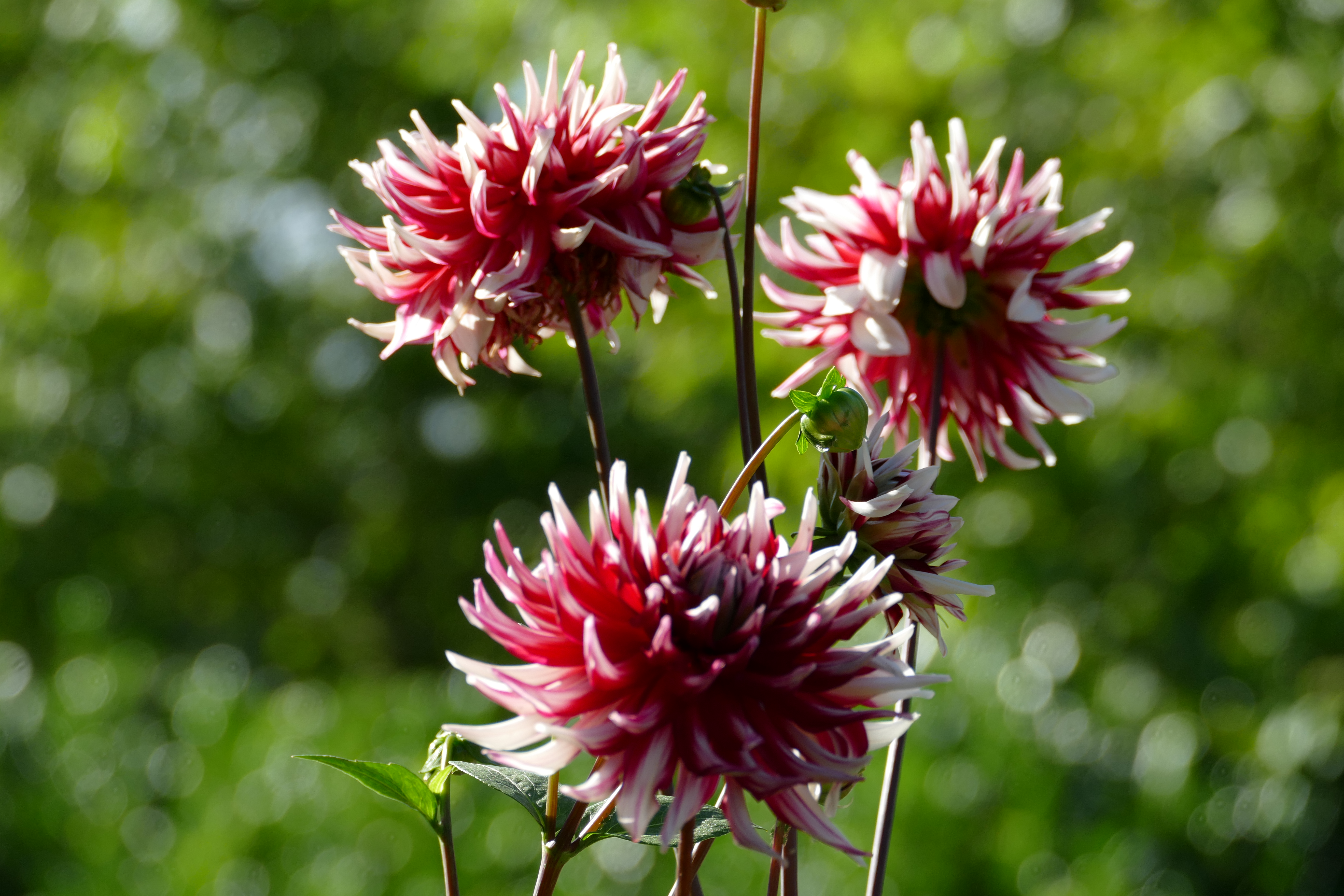
More flowers and stuff from Breezy Knees Gardens

I never used to like gardens very much. I prefer it wild! Breezy Knees is rather exceptional! I really like the colours, patterns and texture.

Humanity has wiped out 60% of Mammals, Birds, Fish and Reptiles since 1970

This is a worse crisis than Coronavirus or Global warming.

It comes as no surprise to me that this is the case. In my lifetime I have witnessed the crashes in population both here in the UK and abroad. As a biologist, and naturalist, I have found this incredibly distressing.

In the UK the creatures that were common in my childhood – the toads, frogs, newts, hedgehogs, slowworms, snakes and lizards – are now rare. The streams are devoid of life. The insects and butterflies are not buzzing around. The skies are not full of flocks of swallows and swifts.

In the Amazon the rainforest burns. In Africa, the chimps, bonobos and gorillas are being hunted to extinction. Everywhere I have travelled – Australia, Africa, South America, China, Phillipines, Borneo, Vietnam – it is the same story – deforestation and the destruction of habitat – a burgeoning human population – overfishing and hunting.

Humanity has wiped out 60% of mammals, birds, fish and reptiles since 1970. We are systematically destroying our planet.

massacre of wildlife is made in a major report produced by WWF and involving 59 scientists from across the globe.

Mike Barrett, executive director of science and conservation at WWF. “This is far more than just being about losing the wonders of nature, desperately sad though that is,” he said. “This is actually now jeopardising the future of people. Nature is not a ‘nice to have’ – it is our life-support system.”

In the UK it is relentless – every tree cut down, hedgerow ripped up, stream culverted,  ponds filled in, is another nail in the coffin. The mowing of verges, the spraying of fields. It is almost as if we hate nature.

Abroad they are chopping rainforest for agriculture. There are no places left for the gorillas, the orangutan, elephants or tigers. If they dare to ‘encroach’ they are killed.

I am told that people have to eat, to feed their children. The truth is that there are too many children.

Nature is our lifeline. It provides our atmosphere. We are part of a complex web that feeds the soil, pollinates our crops, gives us the oxygen we breathe and the food we eat – yet we are destroying it.

In the process, we are releasing pandemics and herding ourselves into cities and plastic environments.

We are endangering our own survival on the planet!

WE HAVE TO STOP!!!!

Flowers at Breezy Knees Gardens in Yorkshire

If you like flowers, butterflies and wild areas then Breezy Knees Gardens might be just your thing.

The sun was shining. There were lots of honey bees. It was Autumn but the flowers were still out.

Oman – Salalah – Some of the birds

There was not a great deal of wildlife to be seen in the desert wastes. I am sure that most creatures are nocturnal. Around the beach area there were some interesting birds and I managed to get shots of some of them.

Phuket – Views over the island of Phuket from the Big Buddha.

The Big Buddha was built on top of a hill overlooking the whole album. The views were incredible.

On one side there was a view down to the town. On the other, there are views over the tropical landscape.

Egypt – Some of the birds from around the Nile. – Photos

I had an hour to walk along the side of the Nile. There was a lot of birds and I managed to take a few shots.

Petra – back out and away! Fare Thee Well! Photos

I bet you’ve had enough photos of Petra. I found it amazing and would go back again.

Unfortunately, it was the end of the afternoon. We had to come down from the caves and set off for the long walk back. It was hot. We were weary but elated.

This stallholder was surprised when one of the goats came for a visit. He had to shoo it out.

We walked back past the incredible rocks and carvings.

Past the peddlers of tourist tat.

Past the Treasury with the touts looking to snag a last tourist.

Past the weary families.

A last look back before heading down the cleft.

Past the boy with the donkey hoping for a weary traveller.

Down among the amazing rocks

past the occasional monument (devoid of idols)

Avoiding the madly careering horses and traps.

Past the weary people snatching a rest

Past people arriving for the evening sunset

Out of the cleft, past the weary horses

A last look at the Nabatean caves.

And Petra was left behind us – but we took some of its magic with us!